

Senior Pet Care
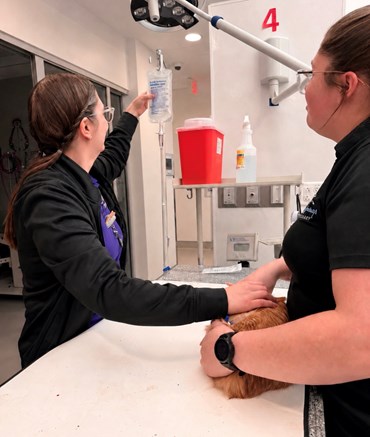
Senior Pet Care: Supporting Your Companion Through Every Stage of Life
As our pets age, their healthcare needs evolve. Dogs and cats are often considered seniors around 7 years of age, meaning they can experience age-related changes much sooner than we do. While aging is a natural part of life, proactive veterinary care can make a significant difference in helping your pet maintain comfort, mobility, and overall quality of life.
At Hope Springs, we believe senior pets deserve specialized attention and individualized care. Our veterinary team takes the time to understand your pet’s unique medical history, nutritional needs, activity level, and lifestyle so we can better support them as they age. Through routine wellness examinations and ongoing monitoring, we work to identify subtle changes early—often before they become more serious concerns.
Regular wellness visits for senior pets may include:
- Comprehensive physical examinations
- Routine bloodwork and diagnostic testing
- Nutritional and weight management recommendations
- Pain assessment and mobility evaluations
- Monitoring for age-related conditions such as arthritis, kidney disease, diabetes, heart disease, and thyroid disorders
- Lifestyle recommendations to support comfort and long-term health
Early detection of underlying conditions allows for timely treatment and adjustments to your pet’s care plan, helping improve both quality and length of life. Small changes in behavior, appetite, mobility, or energy levels can often signal important health concerns in aging pets.
Our goal is to partner with you in providing compassionate, proactive care tailored to your pet’s changing needs. By staying closely connected to your senior pet’s health, we can help ensure their golden years remain happy, comfortable, and full of the companionship you cherish.
If your pet is entering their senior years or you’ve noticed changes in their health or behavior, contact Hope Springs to schedule a wellness examination. Together, we can create a care plan designed to help your beloved companion thrive at every stage of life.
Caring for Your Senior Pet: Helping Them Thrive in Their Golden Years
Older dogs and cats are loyal, loving companions who deserve exceptional care throughout every stage of life. As pets age, their healthcare needs change, and staying attentive to those changes can help support a longer, healthier, and more comfortable life.
At Hope Springs, we believe proactive care is one of the greatest gifts you can give your senior pet. Through regular wellness visits, diagnostics, and individualized care plans, we work alongside you to help your companion enjoy every moment of their golden years.
Tips to Help Keep Your Senior Pet Healthy
Maintaining your senior pet’s quality of life often involves monitoring health more closely and making adjustments as needed. We recommend:
- Scheduling veterinary wellness examinations at least twice yearly to monitor overall health and detect subtle changes early.
- Performing annual bloodwork and diagnostic testing to identify underlying illnesses or age-related changes before symptoms become severe.
- Providing proper nutrition as dietary requirements and caloric needs often shift with age.
- Considering radiographs (X-rays) when recommended by your veterinarian to detect concerns such as:
- Heart enlargement or changes within the chest
- Organ enlargement or abdominal masses
- Arthritis, spinal disease, or mobility issues
- Encouraging regular, appropriate exercise to maintain strength, mobility, and healthy weight.
- Prioritizing oral health care and dental cleanings to reduce painful dental disease and limit harmful bacteria affecting internal organs.
- Continuing vaccinations based on your veterinarian’s risk assessment recommendations.
- Maintaining year-round parasite prevention, including heartworm, flea, tick, and intestinal parasite protection.
- Making adjustments to the home environment when needed, such as:
- Ramps to avoid stairs
- Flat-entry litter boxes
- Rugs or traction surfaces on slippery floors
- Comfortable bedding for aging joints
Changes to Watch for as Your Pet Ages
Even subtle changes may indicate underlying medical concerns. Contact your veterinarian if you notice:
- Loss of appetite
- Chronic bad breath
- Tartar buildup or dental concerns
- Excessive drooling or salivation
- Difficulty standing, walking, or climbing stairs
- Dry or flaky skin
- Changes in urination or bowel habits
- Excessive scratching, licking, or chewing
- Weight loss despite increased hunger
- Reduced tolerance for cold temperatures or exercise
- Hair loss or coat changes
- Increased fatigue or decreased energy levels
- Shaking or trembling
- Excessive panting
- Appearing confused, disoriented, or “lost”
- Changes in behavior or interaction with family members
Early recognition of these signs can make a significant difference in diagnosis, treatment options, and overall quality of life.
Supporting Comfort, Health, and Happiness
Aging is not a disease—it’s a natural stage of life. With thoughtful monitoring, preventative care, and early intervention, many senior pets continue living happy, active, and comfortable lives for years.
Our goal is to partner with you in providing personalized care that helps your beloved companion remain healthy and comfortable throughout their senior years.
Ask us today how we can help your pet enjoy every moment of their golden years.
 Great Bridge
Phone: 757-547-1600
Request an Appointment
 Pembroke
Phone: 757-464-0169
Request an Appointment
 Sajo Farm
Phone: 757-464-6009
Request an Appointment
We want to help you stay well informed about preventive pet health care. Explore our pet health resources and advice below to learn more.


